For a long time, SEO conversations revolved around keywords.
What keyword should this page target?
How many times should it appear?
Is it in the H1?
While keywords still matter, they’re no longer the deciding factor they once were. In fact, many service business websites struggle with SEO not because of poor keyword choices, but because their site structure works against them.
Simply put, Google can’t rank what it can’t clearly understand.
And structure is what creates that understanding.
Keywords Help Google Read Pages — Structure Helps Google Understand Websites
Keywords tell search engines what a page is about.
Structure tells them how everything fits together.
That difference is critical.
A website with good keywords but poor structure looks confusing from the outside. Pages compete with each other. Topics overlap. Important services are buried. As a result, Google struggles to determine which pages deserve priority.
On the other hand, a well-structured website sends clear signals:
- What the business offers
- Which services matter most
- How pages relate to each other
- Where authority lives
Because of that clarity, rankings tend to improve naturally — even without aggressive keyword tactics.
Why Service Business Websites Are Especially Affected
Service businesses rely on trust, clarity, and intent.
Visitors usually land with a specific goal in mind. They want a service, a provider, or a solution — not a maze of pages.
However, many service websites grow organically over time. New pages are added whenever needed. Blogs pile up. Locations get duplicated. Navigation becomes cluttered.
Eventually, the structure stops making sense.
When that happens, SEO performance drops quietly, even if keywords are technically “optimised.”
Flat vs Confusing Site Structures
Google prefers websites that are easy to crawl and easy to understand.
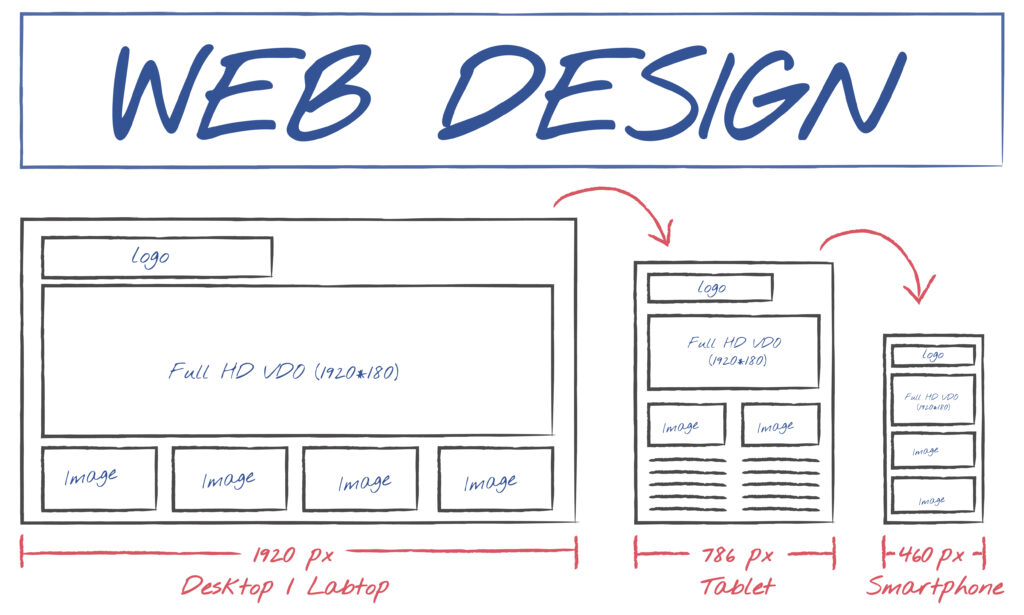
A clean structure usually looks like this:
- Homepage
- Core services
- Individual service pages
- Locations (if relevant)
- Supporting content (blogs, guides)
- Core services
Everything has a place.
In contrast, a messy structure often includes:
- Multiple pages targeting the same service
- Blog posts ranking instead of service pages
- Important pages buried several clicks deep
- No clear hierarchy between services
When structure breaks down, keywords lose their power.
Internal Linking Is Structure in Action
Internal links are not just SEO tools. They are structural signals.
They tell Google:
- Which pages are important
- How topics connect
- Where authority should flow
Unfortunately, many websites link randomly.
Blogs link to unrelated posts. Service pages barely link to each other. High-authority pages don’t support key revenue pages.
As a result, link equity is wasted.
When internal linking follows a clear structure, important service pages become stronger without adding new keywords at all.
Why Google Cares About Page Relationships
Search engines don’t look at pages in isolation.
They look at context.
If a website has:
- A main service page
- Supporting sub-service pages
- Relevant blog content linked logically
Google sees topical authority.
If the same content exists across scattered pages with no clear hierarchy, authority gets diluted.
That’s why two websites can target the same keywords, yet the better-structured one consistently outranks the other.
Navigation Plays a Bigger Role Than Most People Think
Menus are not just for users.
They help define what the website is about.
When key services are visible in the main navigation, Google understands their importance. When they’re hidden behind dropdowns or buried in footers, signals weaken.
Overloaded menus also cause problems. Listing every service, blog category, and location creates noise instead of clarity.
Strong SEO structures prioritise:
- Core services first
- Clear categories
- Logical groupings
Less clutter usually leads to better performance.
URL Structure Sends Intent Signals
URLs are another structural element that often gets ignored.
Clean URLs help both users and search engines understand context quickly.
For example:
/services/laser-hair-removal//locations/london/laser-hair-removal/
These structures clearly show relationships.
In contrast, long or messy URLs with random numbers or repeated words create confusion. While Google can still crawl them, clarity suffers — and so do rankings over time.
Blogs Can Hurt SEO When Structure Is Weak
Blogging is useful, but without structure, it often backfires.
Many service websites publish blogs that accidentally compete with service pages. As a result, Google ranks an informational post instead of the page that actually converts.
This happens when:
- Blogs aren’t linked properly
- Service pages lack authority
- Topics overlap without hierarchy
With the right structure, blogs support services. Without it, they steal attention.
That’s why structure must come before content volume.
How Structure Improves User Behaviour (And Rankings)
SEO is no longer just about technical signals.
User behaviour matters.
When visitors:
- Find what they need quickly
- Understand where to go next
- Stay longer on the site
Google notices.
Good structure improves:
- Time on site
- Page depth
- Engagement
- Conversion paths
All of these indirectly support stronger rankings — even without changing keywords.
A Common SEO Mistake: Fixing Keywords Before Structure
One of the most common mistakes service businesses make is adjusting keywords before fixing structure.
They rewrite headings. Change titles. Add variations.
Yet rankings barely move.
That’s because keywords can’t compensate for:
- Competing pages
- Weak internal links
- Poor hierarchy
- Confusing navigation
Structure is the foundation. Keywords sit on top of it.
What a Strong SEO Structure Actually Does
When structure is done right, several things happen at once:
- Google understands your core services clearly
- Authority flows toward high-value pages
- Blogs support decisions instead of distracting from them
- Visitors move naturally toward enquiries
At that point, SEO feels easier. Rankings stabilise. Traffic improves. Leads increase.
Not because of keyword tricks — but because the website finally makes sense.
How InUse Media Approaches Website Structure
At InUse Media, SEO always starts with structure.
Before keywords are refined or content is added, we look at:
- Page hierarchy
- Service relationships
- Internal linking paths
- Conversion flow
Only after structure is clear do keywords become powerful.
That approach prevents wasted effort and creates SEO systems that scale instead of breaking over time.
Final Thought: Keywords Get Attention, Structure Builds Authority
Keywords still matter.
However, structure decides whether they work.
In 2026, search engines reward websites that feel organised, intentional, and helpful. When structure is clear, SEO becomes less about chasing rankings and more about supporting real business growth.
If your site has good content but inconsistent results, structure is often the missing piece.
Fix that first — and the rest becomes far easier to improve.